See what is changing. Act with better intelligence.
Connect physical signals and enterprise information to decisions that matter. We help you choose where AI belongs, test its usefulness and integrate it into work people can own.
Industry 4.0 · Intelligence in physical operations
A signal on the ground. A decision for the enterprise.
A change in equipment condition can affect a customer commitment, a maintenance window and the cost of the production plan. Intelligence becomes useful when those consequences can be considered together.
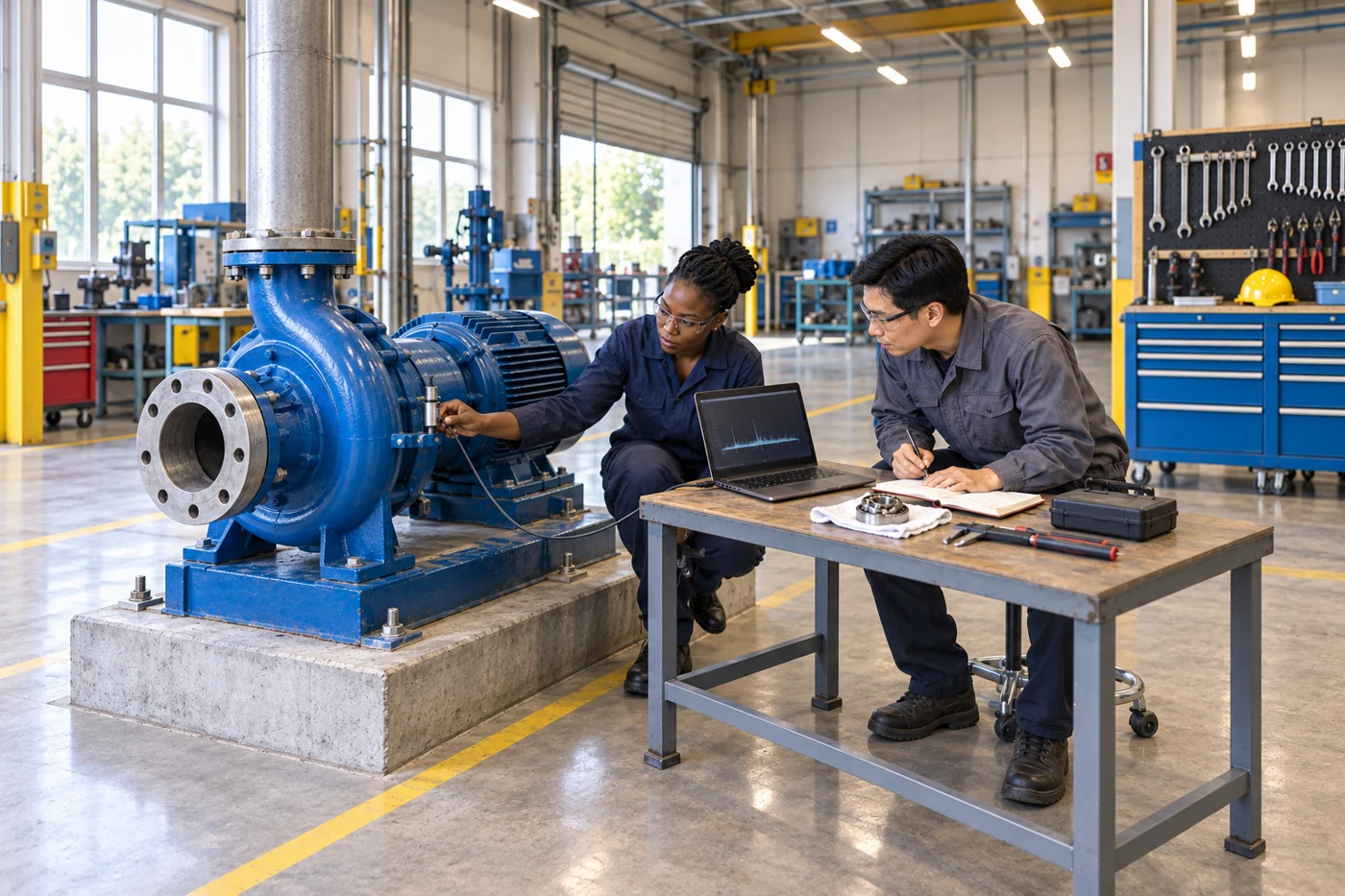
Connect the operating contextAssess sensors, edge, MES, asset systems and ERP together. Establish relevant signals, asset identity, time alignment and ownership before building an analytical layer.
Translate signals into choicesEvaluate condition-led maintenance, quality inspection, energy performance and flow constraints. Compare possible responses against safety, service and commercial commitments.
Make the value visibleAgree measures such as unplanned interruption, rework, resource use or response time. Test improvement against a baseline; do not assume a connected asset creates a financial return.
Enterprise intelligence · The other side of the same decision
Join the evidence. Improve the response.
A supply exception is also a customer and cash decision. An unusual invoice is also a control and service question. Enterprise intelligence connects the evidence across those boundaries.
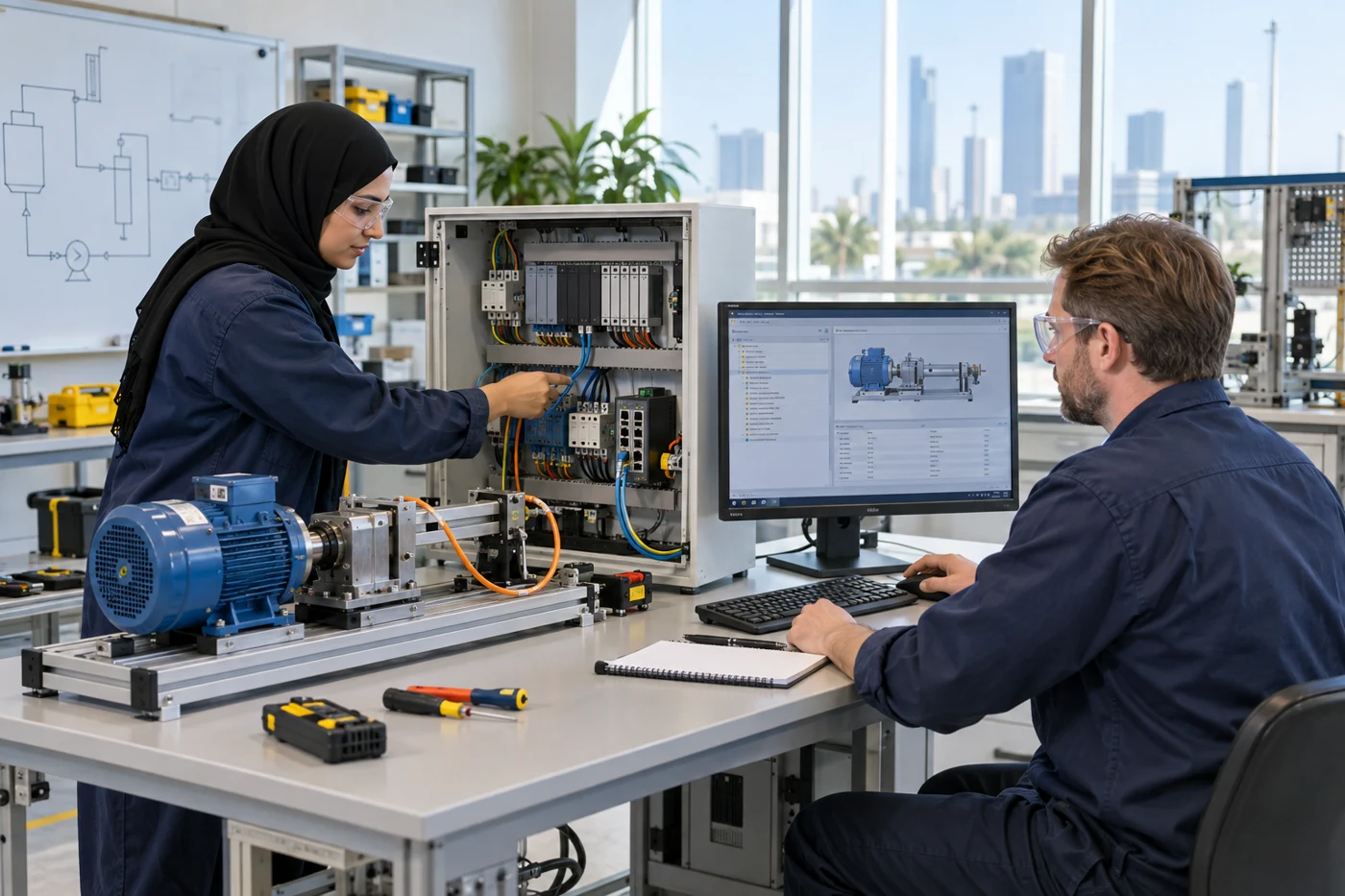
We examine the workflow, data access, architecture and operating economics together. Native platform AI, purpose-built models and agents are options to evaluate—not predetermined answers.
Begin with one decision: who owns it, what evidence they need, what better means and how the system should behave when that evidence is incomplete.
Useful capabilities · Consequential questions
Think beyond a demonstration. Redesign what the work can achieve.
These are six useful ways into the portfolio, not a limit on AI’s possibilities. Their value depends on your context, data and ability to act on the result.
01 / A decision to explore
Anticipate disruption
Which weak signals deserve attention before service is affected?
Combine condition, demand and operating history to evaluate risk. Connect the warning to an owner, an intervention window and the consequence of a false alarm.
02 / A decision to explore
See quality differently
Where does inspection miss variation or consume scarce expertise?
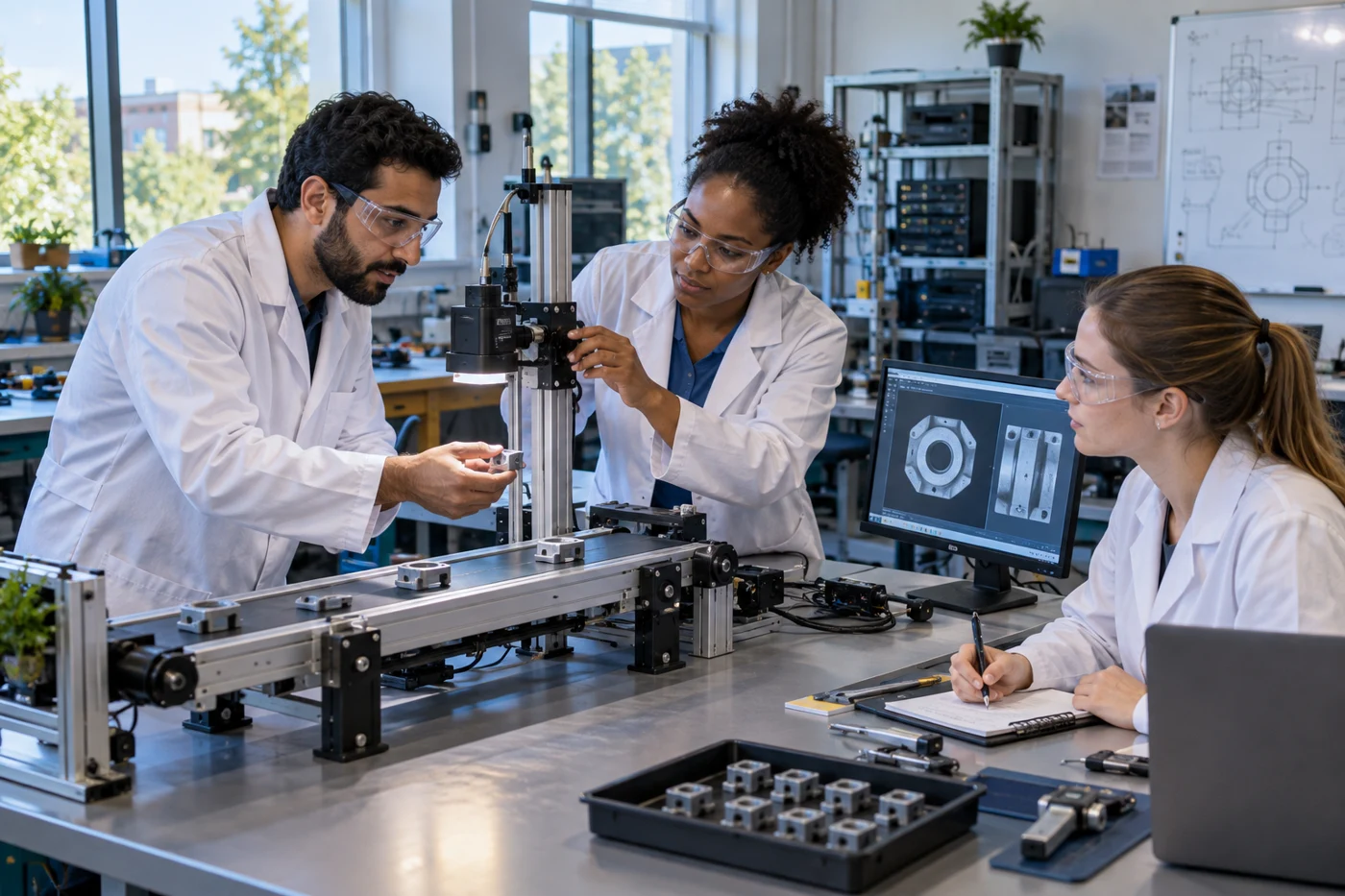
Evaluate vision and document intelligence against representative defects, missing information and difficult cases. Keep traceability and escalation within the workflow.
03 / A decision to explore
Understand enterprise knowledge
What would your teams decide differently with the right evidence?
Connect approved knowledge and business records to contextual retrieval and cited answers. Preserve access rights and make uncertainty visible to the person acting.
04 / A decision to explore
Compare the choices
What happens to cost, capacity and service if the plan changes?
Use forecasting, optimisation and simulation to compare feasible responses. Make assumptions and constraints inspectable; evaluate alternatives before committing.
05 / A decision to explore
Assist within the work
Which preparation and exception-handling tasks slow capable people down?
Embed copilots into the process: assemble evidence, explain an exception or draft a response. Measure the effort retained in review as well as the time released.
06 / A decision to explore
Act within agreed authority
Which actions can be delegated, and which must remain human decisions?
Design bounded agents and workflow automation with permitted tools, approval points and recovery. Evaluate execution against policy and business acceptance conditions.
The foundations beneath every capability
Readiness earns scale.
AI engineering includes data and integration, evaluation, security, human adoption and continuing operation. Those disciplines determine whether a useful experiment can become dependable business capability.
Information
Permitted sources, relevant context, ownership and lineage.
Evidence
Representative tests, failure analysis and acceptance conditions.
Authority
Bounded tools, approvals, escalation and recovery.
Operation
Monitoring, support, lifecycle cost and benefit review.
Industrial integration and digital service workflows show the foundations on which useful intelligence depends. These are not claims of autonomous AI deployment.
Automotive manufacturing
Visibility from machine to management
Challenge
Limited tool traceability and inconsistent production information obscured operating performance.
Contribution
Machine sensing, tool monitoring, SAP integration and production dashboards.
Outcome
Better tool traceability, clearer production counts and visibility into line stoppages and equipment effectiveness.
Industrial IoT · SAP integration · Operational analytics
Field service
More responsive field service
Challenge
Paper-based work orders and inconsistent prioritisation delayed service resolution.
Contribution
A mobile work-order application with priority handling, instant notifications and photographic records.
Outcome
Less paperwork and administrative effort, with shorter work-order resolution times.
Mobile workflows · Operational reporting
Selected team experience, including work before or outside NectarGlobal. Reported outcomes are specific to these engagements.
People behind the capability
Know the people. Understand their contribution.
These leaders bring relevant depth to the practice. Your proposed engagement names its accountable partner, delivery lead and specialists, with responsibilities and availability agreed before mobilisation.
Ganapathy Sivakumar
Head — AI & Product Development
AI and product engineering
Shape useful workflows, evaluation and practical integration.
The NectarGlobal AI Innovation Lab brings industry questions into structured exploration: a proposed workflow, a testable idea and evidence about what it can—and cannot—do.
Industry understanding. Shared experimentation. Future capability.
We bring business understanding, AI, engineering and human insight together around questions that matter: how to anticipate disruption, use resources more intelligently, support better decisions and create new possibilities for people and enterprises.
Great minds, working towards a common vision. Across disciplines and geographies, our focus is to turn a meaningful challenge into an idea we can explore, a prototype we can test and a capability worth developing.
Understand the industry need.
Experiment with a testable idea.
Advance on the strength of evidence.
Explore the work taking shape
Ideas with a purpose.
Fourteen research and concept initiatives. Explore the challenge, intended workflow and current maturity. Inclusion here does not mean a deployed product or validated client outcome.
From question to evidence.
Client delivery: scoped consulting, integration and engineering work agreed for an engagement.
Prototype: a working artefact only when demonstrated and evaluated. No portfolio-wide deployment claim is made.
Research & concepts: the initiatives below describe hypotheses and development directions; their individual status defines the boundary.
Cognitive Maintenance
Relevant to Manufacturing · Energy · Utilities
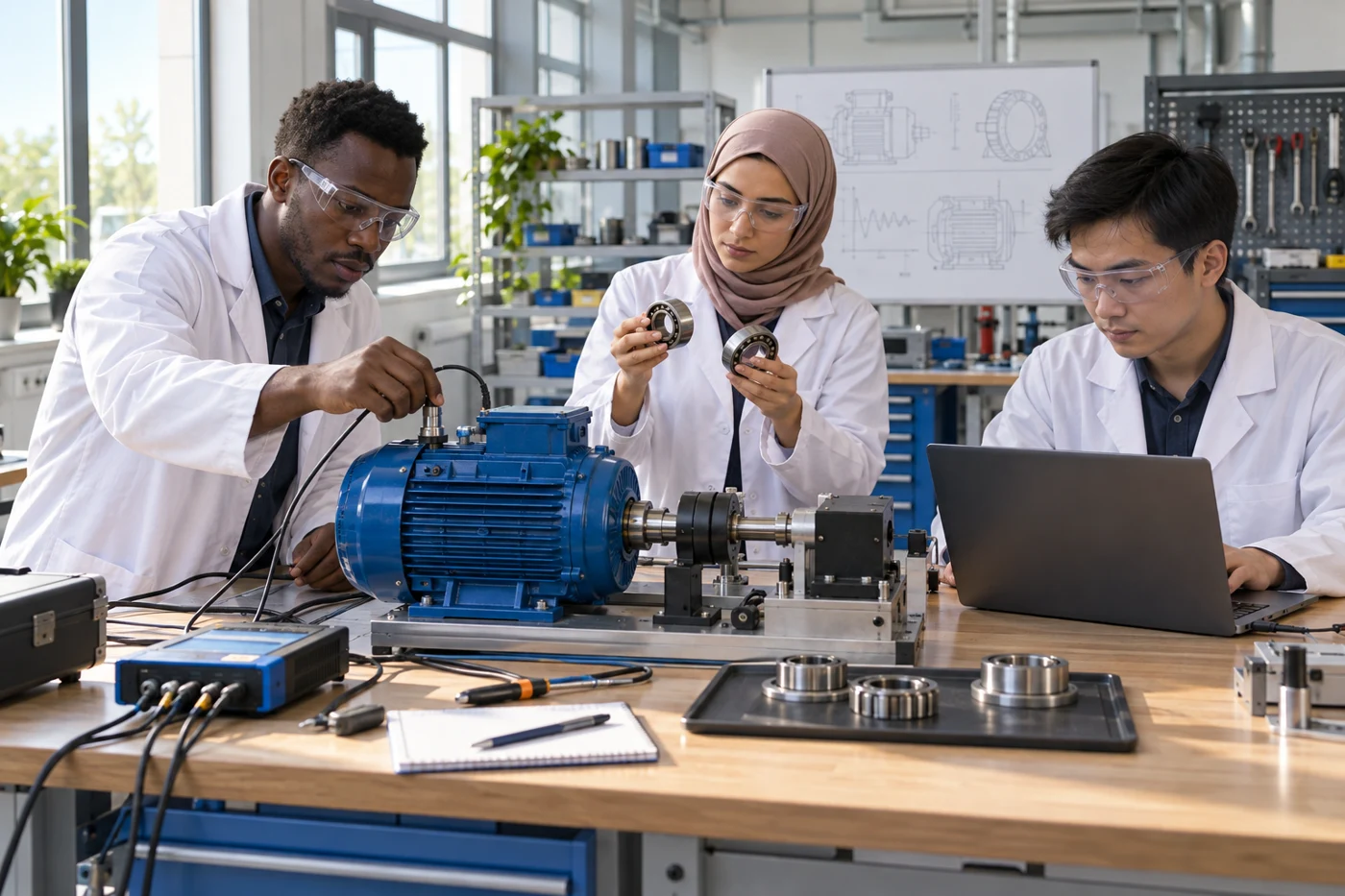
Early warning signals can be missed before equipment disrupts production.
Explore the proposed workflow
We connect sensor patterns, maintenance history and operating constraints to explore earlier, better-informed maintenance decisions.
Vyana
Relevant to Manufacturing · Process industries · Utilities
Machine data often arrives without the context needed to act.
Explore the proposed workflow
We connect industrial signals, asset information and alerts so operators can see what needs attention and why.
MSME Machine Guardian
Relevant to Small-scale manufacturing · Engineering workshops · Component production
Smaller factories lack affordable visibility into machine condition.
Explore the proposed workflow
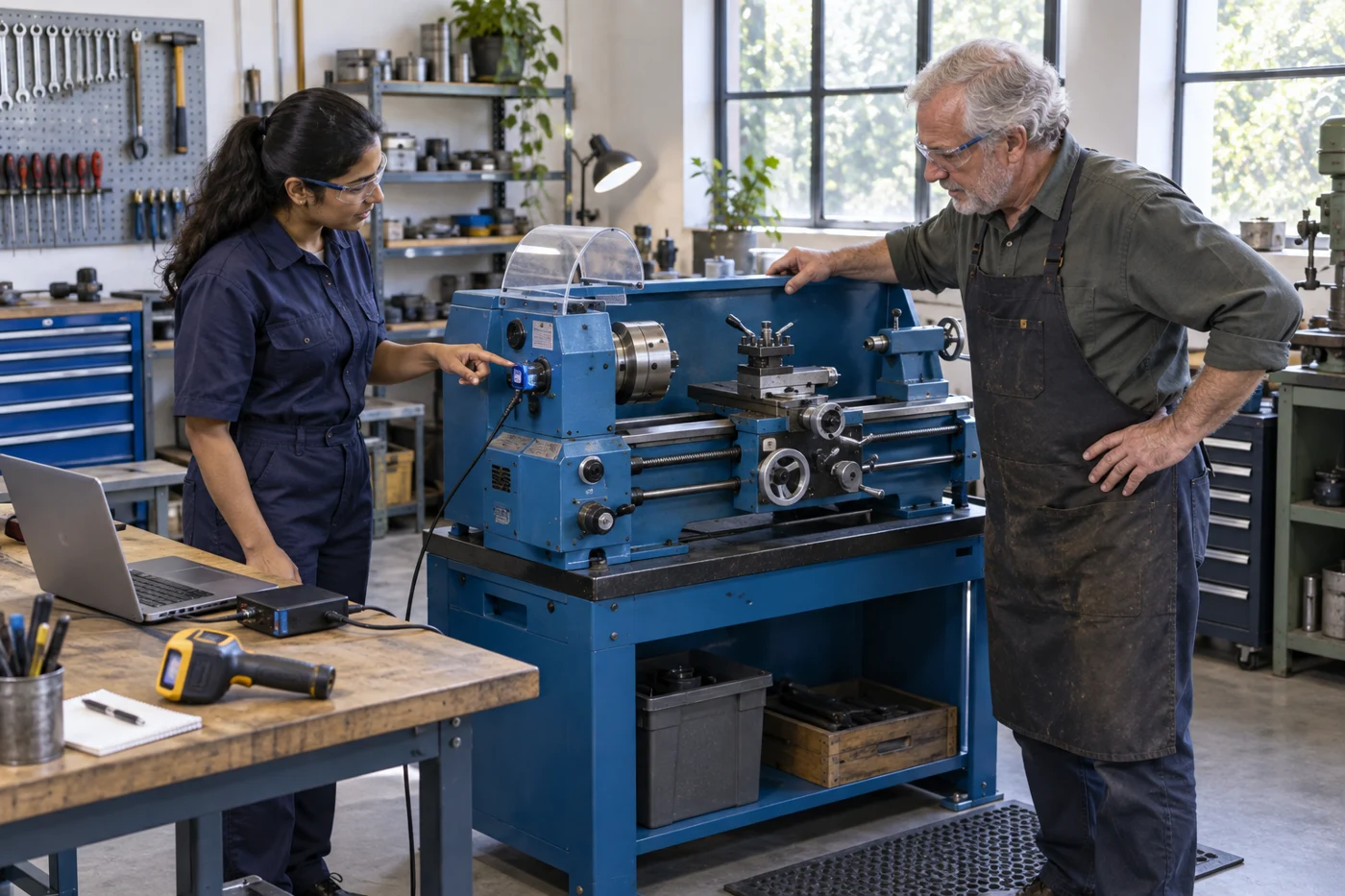
Retrofit vibration and thermal sensors connect existing equipment to a compact gateway, exploring early warning without wholesale replacement.
Charge Without Stopping
Relevant to Electric mobility · Automotive · Transport infrastructure
Wireless charging needs reliable transfer and safe operation.
Explore the proposed workflow
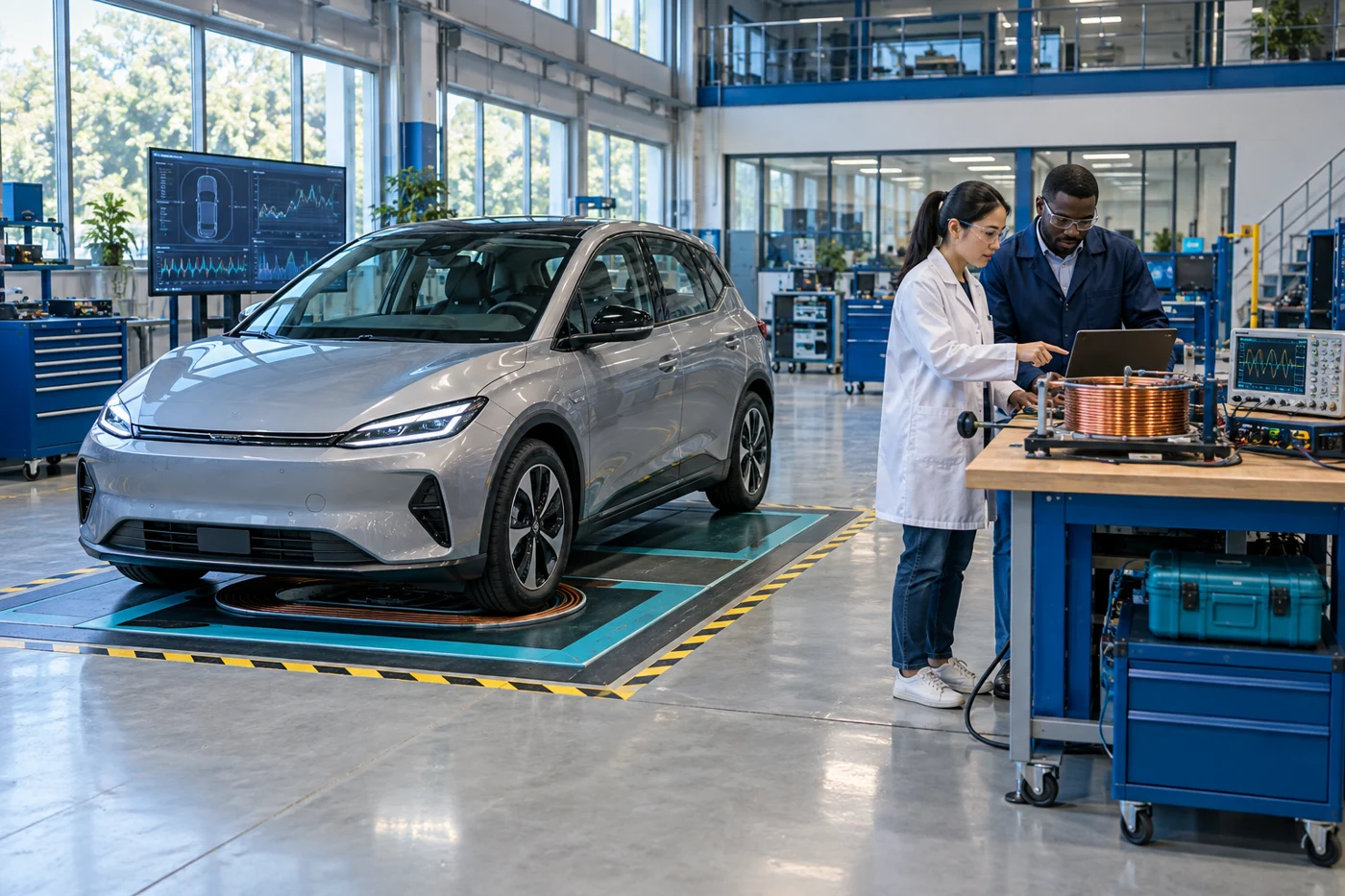
A staged engineering programme explores stationary inductive charging before progressing towards a controlled dynamic testbed.
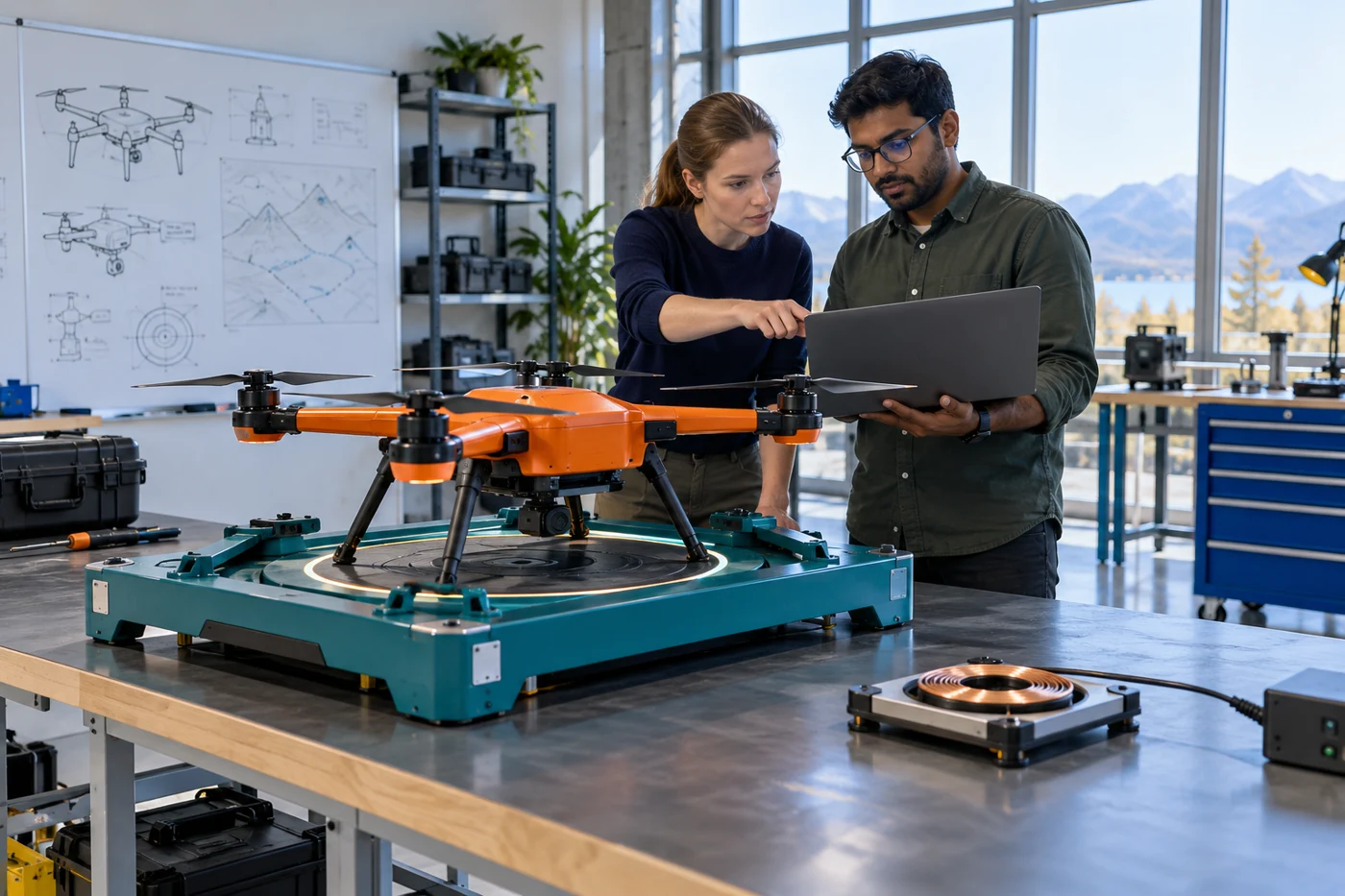
Drone Energy Dock
Relevant to Energy inspection · Utilities · Industrial infrastructure
A drone mission can stall when landing and recharging remain disconnected.
Explore the proposed workflow
We explore docking, wireless recharge and mission planning together, making energy replenishment part of the operating cycle.
Intelligent Battery Lifecycle
Relevant to Battery manufacturing · Electric mobility · Energy storage
Battery information becomes fragmented between use, reuse and recycling.
Explore the proposed workflow
We explore data continuity across materials, manufacture, operation and second life to support better-informed lifecycle decisions.
Smart Campus Twin
Relevant to Higher education · Healthcare estates · Commercial campuses
Facilities teams lack a shared view of assets and utilities.
Explore the proposed workflow
RFID asset context, water and energy metering, and maintenance workflows come together in one proposed operating picture.
University AI Lab Foundry
Relevant to Higher education · Applied research · Industry R&D
Lab infrastructure alone does not create useful research capability.
Explore the proposed workflow
Our proposal connects research priorities, computing, responsible AI and knowledge transfer so applied ideas can progress beyond the laboratory.
Industry 4.0 Transformation Academy
Relevant to Manufacturing · Logistics · Technical education
Technology knowledge does not automatically translate into business value.
Explore the proposed workflow
Practical learning connects sensors, RFID, networks, analytics and ERP to operating needs and real business cases.
Enterprise Flight Simulator
Relevant to Manufacturing · Retail · Logistics
Leaders rarely get to rehearse consequential business decisions.
Explore the proposed workflow
Branching simulations connect supply, finance, operations and people, helping leaders explore trade-offs before facing them in practice.
Cognithon
Relevant to Manufacturing · Energy · Industrial technology
Industry challenges need a clear route from discussion to testable proof.
Explore the proposed workflow
A structured challenge format brings domain specialists and builders together around evidence-led predictive-maintenance prototypes.
Adaptive Learning Intelligence
Relevant to Education · Professional training · Corporate learning
A fixed learning sequence can miss individual gaps in understanding.
Explore the proposed workflow
We explore mastery, misconceptions and engagement as context for more relevant learning recommendations, guided by educators.
NeuroSense
Relevant to Healthcare · Child development · Family support services
Families need a clearer route from early concern to appropriate support.
Explore the proposed workflow
NeuroSense explores caregiver-guided, multimodal screening and referral to help inform access to qualified assessment.
Mental Health Language Signals
Relevant to Mental healthcare · Counselling · Community care
Useful context in a person’s own words can be overlooked.
Explore the proposed workflow
We explore voluntary text and voice signals that may support a qualified professional’s assessment and conversation.
The next conversation
Which decision would you like to make differently?
Bring the workflow, its constraints and what a better outcome would mean. Together, establish whether an AI evaluation is the right next step.